100 Sycamore Street, Glastonbury, CT 06033 New See what weight loss looks like on you +1 (860)-854-8379  ·  Tue / Thu / Fri / Sat

Why Am I Not Losing Weight on Semaglutide? Key Factors Explained

Introduction

Navigating the complexities of weight loss can often feel like wandering through a maze, especially for those using Semaglutide, a medication designed to support this journey. We understand that while many find success, others face challenges that can leave them questioning their progress.

This article explores the critical factors that influence weight loss on Semaglutide. From physiological barriers and hormonal imbalances to lifestyle choices and the importance of personalized medical support, we aim to shed light on what might be holding you back.

What hidden obstacles could be preventing you from reaching your weight loss goals? You’re not alone in this journey, and together, we can uncover tailored strategies that may unlock your potential for success.

In addition, we’ll share insights and relatable scenarios to help you feel connected and supported as you navigate this path.

Identify Physiological Barriers to Weight Loss on Semaglutide

We understand that shedding pounds can be a challenging journey, especially when faced with physiological obstacles like weight gain. For instance, individuals with hypothyroidism often experience a slower metabolism, making weight loss efforts feel even more daunting. Hormonal changes, particularly in women during menopause, can lead to increased fat storage, further complicating the process. Additionally, genetic factors may influence how easily someone gains or loses weight, underscoring the importance of recognizing these challenges for effective weight management.

Research highlights that metabolic rates can vary significantly from person to person. This means that while Semaglutide may yield positive results for some, those who do not see similar success may be questioning their progress due to these physiological differences. A study published in the Journal of Clinical Endocrinology & Metabolism reveals that metabolic responses to treatment can be influenced by genetic factors, reinforcing the need for personalized approaches in body management strategies.

Endocrinologists emphasize that medical conditions can significantly contribute to weight loss difficulties. Dr. Neetu Gupta points out that conditions like diabetes can significantly contribute to weight loss challenges. She advocates for a combination of medical treatments and lifestyle changes to effectively tackle these challenges. Moreover, metabolic adaptations can prolong the time needed to reach body reduction objectives. Studies show that for every 10 kcal/day increase in metabolic adjustment, the time to achieve weight loss goals extends by one day.

Understanding these factors is crucial for patients as they manage their expectations and collaborate with healthcare providers to develop strategies that address their unique challenges in weight loss. It’s also important to recognize that Semaglutide, a key component of the medication, has been shown to enhance insulin release, reduce glucagon levels, and promote feelings of fullness. This makes it a valuable tool in managing body weight. The FDA has approved receptor agonists for the management of Type 2 diabetes, and ongoing research continues to explore its effectiveness in weight reduction, highlighting the necessity for tailored treatment strategies at CT Medical Weight Loss & Beyond.
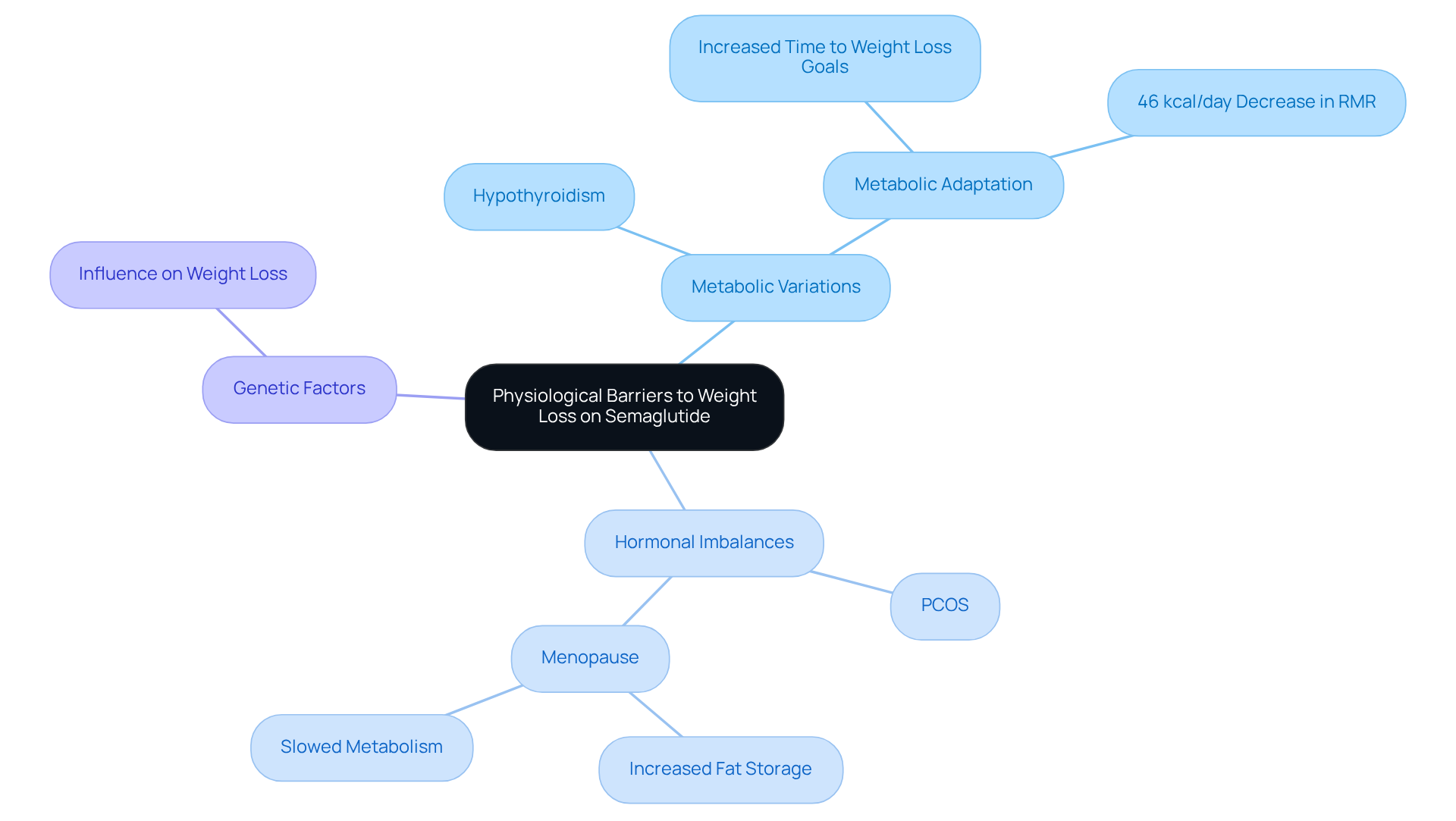
In this mindmap, the center represents the main issue of weight loss barriers, while the branches show the different types of challenges. Each sub-branch provides specific examples or conditions that further explain how these barriers can affect weight loss efforts.

Examine Lifestyle Factors Affecting Weight Loss Success

Lifestyle elements such as nutrition, exercise, sleep, and stress levels are crucial in understanding weight loss. We understand that managing these aspects can be challenging, but they are essential for achieving lasting change. While this medication effectively reduces appetite and caloric intake, sticking to a healthy diet is vital. At CT Medical Nutrition & Beyond, we’re here to support you with tailored plans to your specific needs. Our program ensures you receive the organized assistance necessary for lasting results, featuring regular check-ins through weekly or monthly appointments. Remember, processed foods, particularly those high in sugar and processed ingredients, can raise concerns such as cravings and undermine the benefits of your medication.

In addition, consistent physical activity is equally important for enhancing your body composition. A sedentary lifestyle can lead to stagnation, prompting the question of why weight loss is not occurring, even with medication. That’s why we offer app-based exercise programs designed to fit your lifestyle and goals, helping you stay active and engaged. Research shows that incorporating exercise not only aids in reducing body mass but also improves overall health and metabolic function. For instance, participating in at least 150 minutes of moderate-intensity or 75 minutes of high-intensity exercise each week can significantly enhance your fat reduction outcomes.

Moreover, managing stress is crucial. Elevated cortisol levels and hormonal shifts can encourage weight gain. Techniques like mindfulness, yoga, and ensuring you get enough sleep can help mitigate these effects. Quality rest is especially important; studies indicate that inadequate sleep can hinder your fat reduction efforts and increase appetite due to hormonal imbalances. By addressing these lifestyle elements with the support of CT Medical & Beyond, you can improve your chances of achieving lasting reductions in body mass, which may help answer the question of why you are not losing weight. You’re not alone in this journey, and we’re here to help you every step of the way.
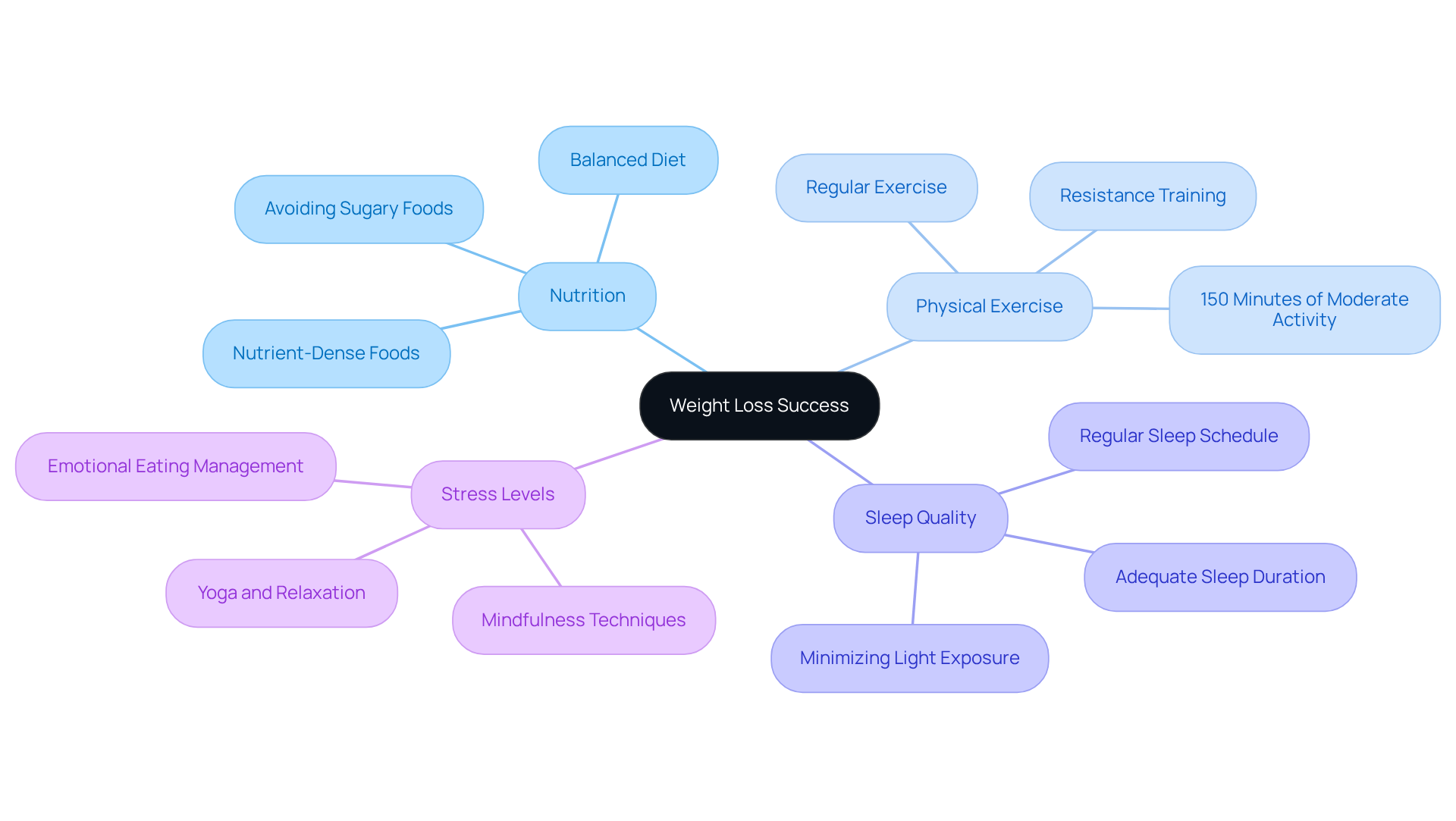
The central node represents the goal of weight loss success, with branches showing key lifestyle factors. Each factor can further break down into specific elements that impact weight loss, helping to visualize how they all connect.

Understand the Importance of Personalized Medical Support

Tailored medical assistance is essential for those using semaglutide, a specially blended medication, to reduce body mass at CT Medical & Beyond. We understand that each person’s journey is unique, which is why our healthcare providers offer support based on your distinct health profile, including your medical history, lifestyle, and specific fitness goals.

Regular check-ins are a vital part of our approach. They allow us to adjust medication dosages, dietary recommendations, and exercise plans, ensuring that your treatment remains effective and aligned with your individual needs. You’re not alone in this journey; we’re here to support you every step of the way.

Moreover, our healthcare experts can help identify and address any obstacles you might encounter in your weight loss journey, such as emotional eating. This includes managing side effects from the medication or addressing psychological factors that may hinder your progress, which can lead to questions like why am I not losing weight on semaglutide that regulate appetite, helping to reduce cravings and promote a feeling of fullness.

Research shows that individuals who receive personalized support are more likely to achieve and maintain significant weight loss compared to those who try to manage their weight alone. This highlights the importance of medical support in weight loss, especially when using effective pharmacological interventions like semaglutide and Tirzepatide. Together, we can navigate this path towards a healthier you.

The center represents the core theme of personalized support. Each branch shows a key component of the approach, illustrating how they connect to create a comprehensive weight management strategy.

Conclusion

Understanding the complexities of weight loss on Semaglutide can feel overwhelming, and you’re not alone in this journey. Many factors influence individual outcomes, including:

  1. Physiological barriers
  2. Lifestyle choices
  3. The need for personalized medical support

By addressing these multifaceted challenges, you can navigate your weight loss journey more effectively and set realistic expectations.

Metabolic variations, hormonal imbalances, and health conditions like hypothyroidism and PCOS can significantly impact your weight loss efforts. It’s crucial to recognize the importance of:

  • A balanced diet
  • Regular physical activity
  • Stress management alongside Semaglutide use

Moreover, personalized medical support is vital, ensuring you receive tailored guidance that aligns with your unique health profile and weight loss goals.

Ultimately, achieving weight loss success with Semaglutide requires a comprehensive approach. This means combining medication with lifestyle adjustments and ongoing medical support. Embracing this holistic strategy can empower you to overcome obstacles and foster a sustainable path toward better health.

Taking proactive steps, such as seeking professional guidance and making informed lifestyle choices, can significantly enhance the effectiveness of Semaglutide and lead to lasting results. Remember, you have the support you need to succeed, and every small step you take brings you closer to your goals.

Frequently Asked Questions

What are some physiological barriers to weight loss when using Semaglutide?

Physiological barriers to weight loss on Semaglutide include metabolic variations, hormonal imbalances, and underlying health conditions. For example, hypothyroidism can lead to a slower metabolism, while hormonal changes during menopause can increase fat storage.

How do metabolic rates affect weight loss results with Semaglutide?

Metabolic rates can vary significantly among individuals, meaning that while some may experience positive weight loss results with Semaglutide, others may not see similar success due to these physiological differences.

What role do hormonal imbalances play in weight loss challenges?

Hormonal imbalances, such as those caused by conditions like PCOS and hypothyroidism, can greatly impact weight loss efforts on Semaglutide. These conditions can hinder the effectiveness of weight loss medications.

How do genetic factors influence weight loss on Semaglutide?

Genetic factors can influence how easily a person gains or loses weight, which may affect their response to weight loss medications like Semaglutide. This underscores the importance of personalized approaches in body management strategies.

What is the impact of metabolic adjustments after weight loss?

Metabolic adjustments that occur after weight loss can prolong the time needed to achieve weight loss goals. Research indicates that for every 10 kcal/day increase in metabolic adjustment, the time to reach weight loss objectives extends by one day.

How does GLP-1 contribute to weight management?

GLP-1 enhances insulin release, reduces glucagon levels, and promotes feelings of fullness, making it a valuable tool in managing body weight. It is also approved by the FDA for managing Type 2 diabetes.

Why is it important to work with healthcare providers when managing weight loss?

Understanding physiological obstacles is crucial for patients to manage their expectations and collaborate with healthcare providers to develop personalized strategies that address their unique weight loss challenges.

List of Sources

  1. Identify Physiological Barriers to Weight Loss on Semaglutide
    • How Hormone Imbalances Affect Weight Loss (https://ketteringhealth.org/how-hormone-imbalances-affect-weight-loss)
    • ncbi.nlm.nih.gov (https://ncbi.nlm.nih.gov/books/NBK279053)
    • nutritionandmetabolism.biomedcentral.com (https://nutritionandmetabolism.biomedcentral.com/articles/10.1186/s12986-022-00660-w)
    • pmc.ncbi.nlm.nih.gov (https://pmc.ncbi.nlm.nih.gov/articles/PMC8852805)
    • Long-Term Persistence of Hormonal Adaptations to Weight Loss | NEJM (https://nejm.org/doi/full/10.1056/NEJMoa1105816)
  2. Examine Lifestyle Factors Affecting Weight Loss Success
    • Aerobic Exercise and Weight Loss in Adults (https://jamanetwork.com/journals/jamanetworkopen/fullarticle/2828487)
    • Why Diet and Exercise Still Matter During Treatment with GLP-1 Medications | Mass General Brigham (https://massgeneralbrigham.org/en/about/newsroom/press-releases/why-diet-exercise-matters-while-taking-glp-1-medications)
    • sciencedirect.com (https://sciencedirect.com/science/article/pii/S1389945723002174)
    • sleepfoundation.org (https://sleepfoundation.org/physical-health/weight-loss-and-sleep)
    • pmc.ncbi.nlm.nih.gov (https://pmc.ncbi.nlm.nih.gov/articles/PMC7914147)
  3. Understand the Importance of Personalized Medical Support
    • Experts to Discuss Weight Loss Medications, Surgery, and What Everyone Needs to Know About Treating Obesity (https://facs.org/media-center/press-releases/2025/experts-to-discuss-weight-loss-medications-surgery-and-what-everyone-needs-to-know-about-treating-obesity)
    • jamanetwork.com (https://jamanetwork.com/journals/jamanetworkopen/fullarticle/2818868)
    • jmir.org (https://jmir.org/2023/1/e44955)
    • mdpi.com (https://mdpi.com/2072-6643/17/13/2178)
    • pmc.ncbi.nlm.nih.gov (https://pmc.ncbi.nlm.nih.gov/articles/PMC12168653)

How to Qualify for Ozempic: Steps to Get Prescribed

Introduction

We understand that navigating the complexities of weight management can feel overwhelming, especially when it comes to medications like Ozempic, which has recently gained attention for its role in supporting weight loss. This guide aims to provide you with essential steps to qualify for an Ozempic prescription, offering insights into how it works, its benefits, and the criteria you need to meet.

In addition, with rising costs and varying insurance coverage, you might be wondering: is pursuing this treatment worth the investment? You’re not alone in this journey, and many individuals share similar concerns. Together, we’ll explore how to navigate the eligibility maze to help you achieve your weight loss goals.

Understand Ozempic: Mechanism and Benefits for Weight Loss

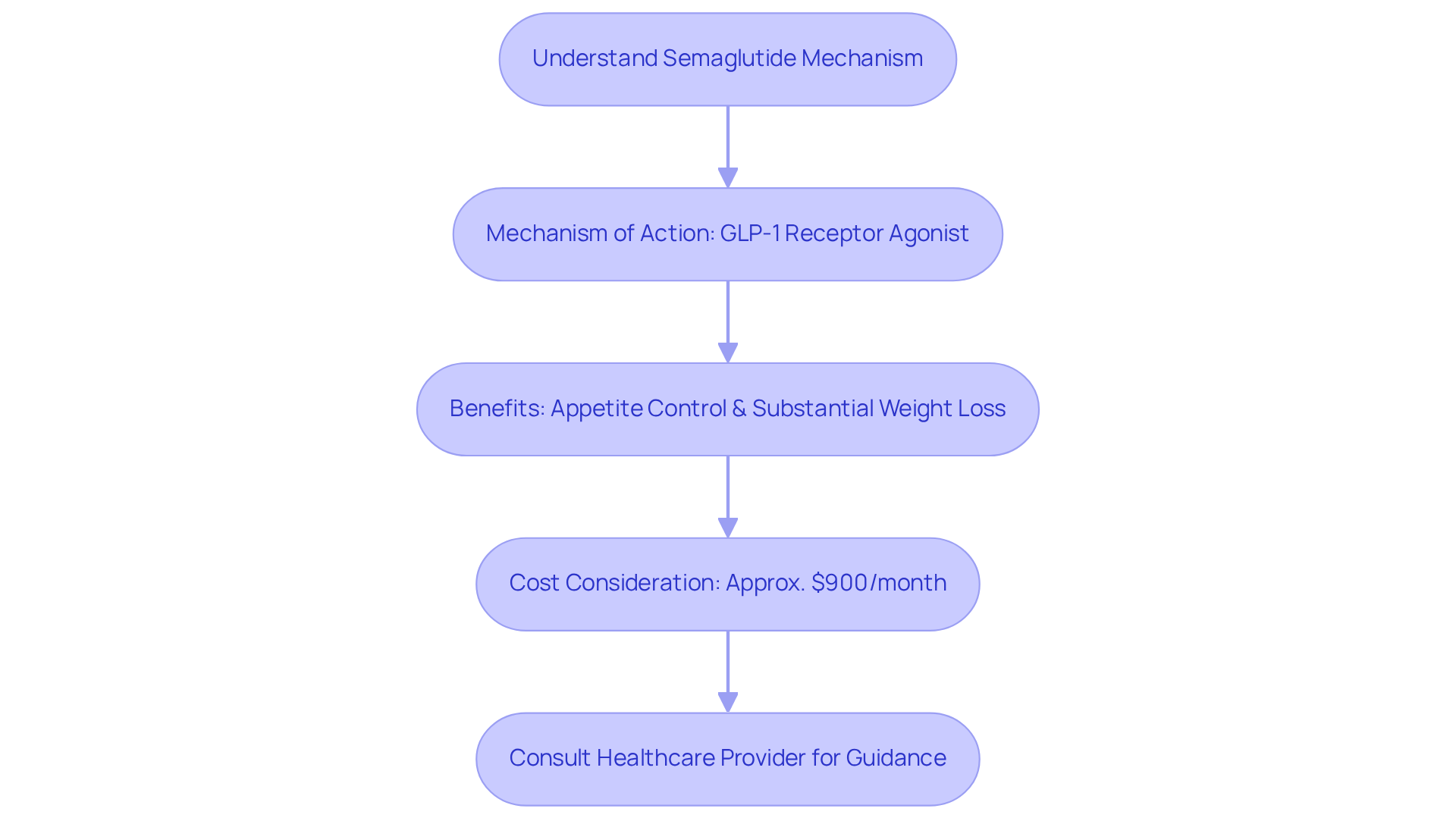
is a GLP-1 receptor agonist that mimics the action of the glucagon-like peptide-1 hormone, which plays a crucial role in weight management. At CT Medical Health Reduction & Beyond, we understand that many individuals struggle to reach their weight loss goals through diet and exercise alone. That’s why we integrate this medication into our customized, physician-guided programs, designed specifically for those who need a little extra support.

By binding to receptors, it effectively slows gastric emptying, enhances feelings of fullness, and curbs appetite, making it easier to reduce calorie intake. Clinical studies show that patients using this medication can achieve significant weight loss, typically ranging from 10% to 20% of their body weight over time. Moreover, it has been shown to improve important metabolic markers, including blood sugar levels and cholesterol. This underscores its value for individuals facing obesity or related health issues.

However, we also want to be transparent about the costs. The medication can be around $900 per month out of pocket for off-label use, which is an important consideration for potential users. While the benefits are significant, the risks of GLP-1 medications for minor weight loss are still being discussed. This highlights the importance of careful evaluation and consultation with healthcare providers.

You’re not alone in this journey, and we’re here to help.

Each box represents a part of the journey to understanding Ozempic — from how it works, the benefits it provides, the cost involved, to the importance of seeking medical advice.

Determine Eligibility: Who Can Get Prescribed Ozempic?

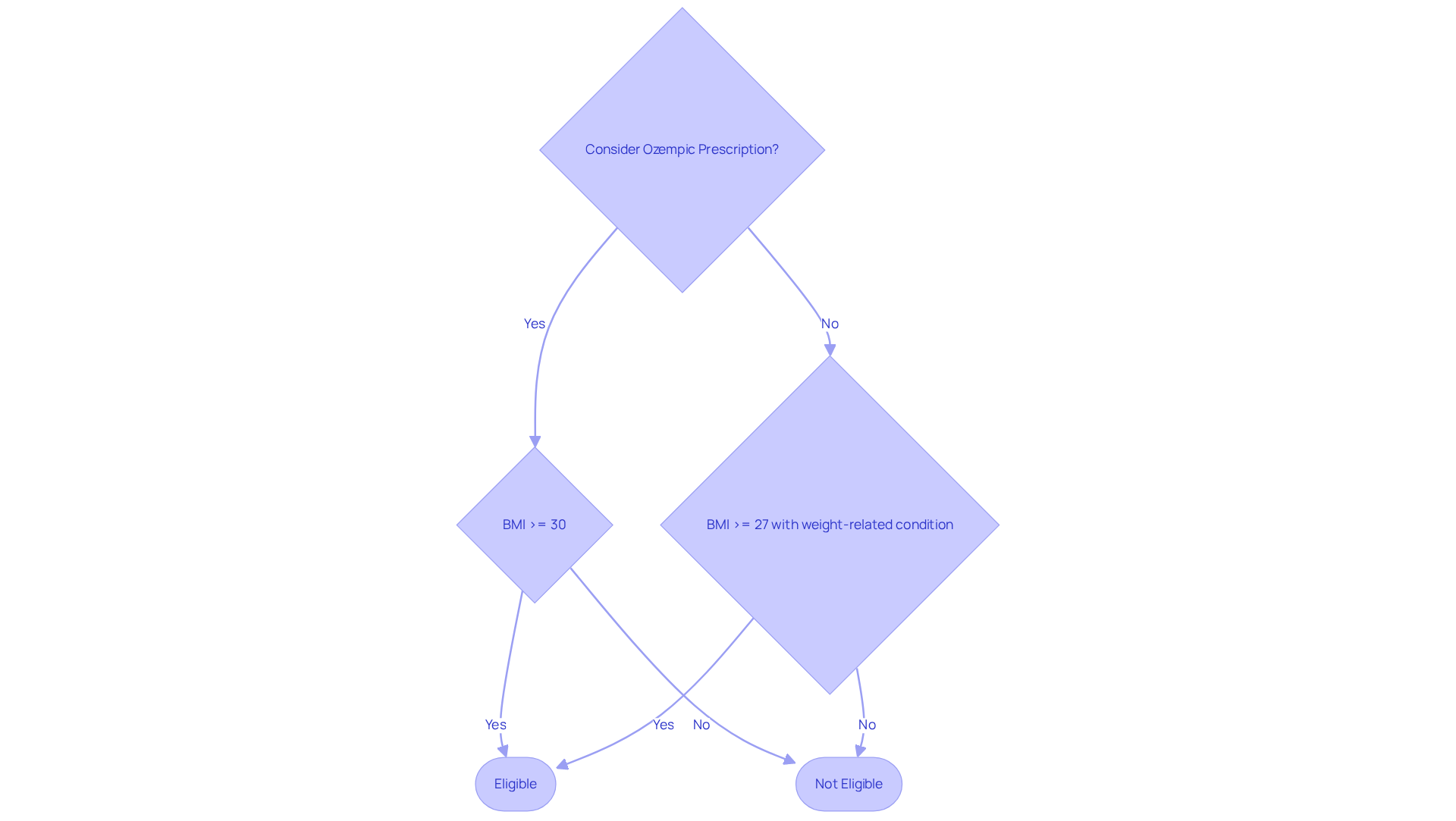
If you’re considering an Ozempic prescription, it’s important to know that there are specific criteria (BMI) that you generally need to meet. Typically, candidates need a BMI of 30 or higher, which classifies them as obese. However, if your BMI is 27 or higher and you have at least one comorbidity, like hypertension or type 2 diabetes, you may also qualify. In fact, research shows that around 137 million adults in the U.S. could be eligible for treatment, highlighting a significant opportunity to expand access to medication.

We understand that navigating these requirements can feel overwhelming. That’s why consulting a healthcare provider is essential. They will take the time to assess your medical history and current health condition to determine your eligibility for the medication. Remember, you’re not alone in this journey; support is available.

It’s also crucial to consider that insurance coverage can vary widely. In 2024, for example, 44% of large employers covered GLP-1 drugs for obesity, indicating a gradual shift in insurance policies. Therefore, we encourage you to inquire about coverage options. This way, you can ensure that you have access to the treatment you need.

Follow the arrows to see if you qualify for an Ozempic prescription based on your BMI and any related health conditions. Each decision point helps clarify your eligibility status.

Follow the Steps: How to Get Prescribed Ozempic

To obtain a prescription for Ozempic, follow these essential steps:

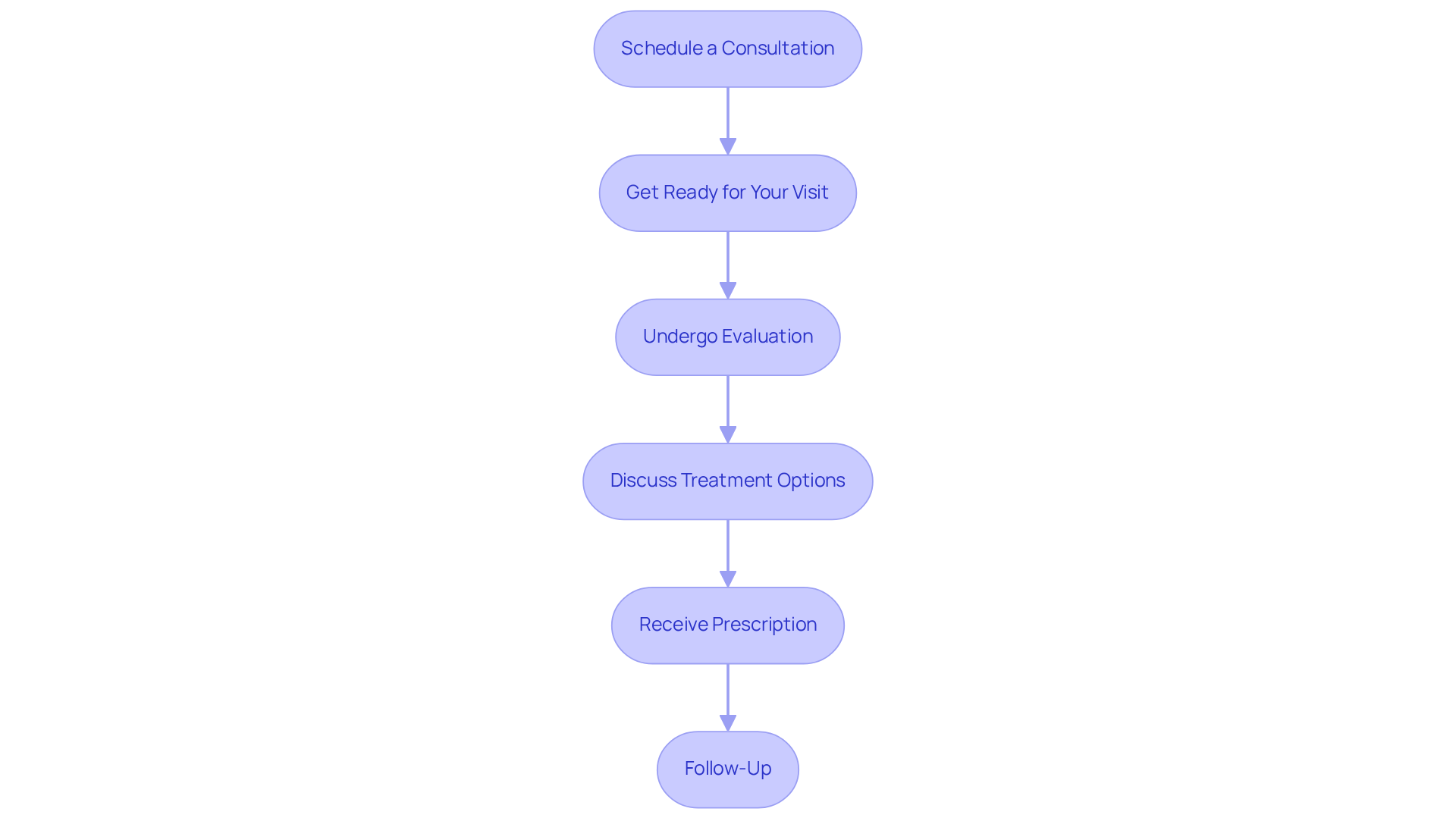
  1. Schedule a Consultation: We understand that taking the first step can be daunting. Arrange a complimentary consultation via phone with a coach at our clinic. This is your chance to discuss your current situation and goals for reducing excess weight. This initial conversation is crucial for understanding the personalized reduction programs we offer. You can easily book a call directly through our website.
  2. Get Ready for Your Visit: Gather your medical background, including past efforts to lose weight, current medications, and any existing medical issues. Be prepared to share your weight loss objectives and lifestyle patterns, as well as any weight-related health concerns that might affect your eligibility. Remember, you’re not alone in this journey.
  3. Undergo Evaluation: During the consultation, a nurse practitioner will assess your eligibility based on your Body Mass Index (BMI) and overall well-being. This may involve tests or lab work to evaluate your metabolic health and any potential risks. To understand how to proceed, it’s important to note that patients typically need a BMI of 30 or higher.
  4. Discuss Treatment Options: If you meet the criteria, your provider will explain the benefits and risks associated with the medication. You might learn that many experience significant weight loss over a 68-week period. They will also discuss alternative treatments if necessary. This conversation is vital for making an informed decision about your health journey.
  5. Receive Prescription: If the medication is deemed suitable for you, the provider will issue a prescription. Make sure to clarify the dosing schedule and how to properly administer the medication, as it is typically self-injected once a week. Be aware that the price of Ozempic can range from $1,177 to $2,188 for a 30-day supply without insurance, and it may not be covered when recommended for weight loss.
  6. Schedule Follow-Up Appointments: Regular check-ins to monitor your progress and adjust your treatment plan as needed. These check-ins are essential for achieving long-term success in managing your body composition. It’s important to address any side effects promptly—over 48% of users experience at least one, with nausea being the most common.

By following these steps, you can learn how to get prescribed Ozempic and embark on a transformative journey, just like our clients. For instance, Ericka lost 18 lbs and reduced her body fat from 31.1% to 22.8% through our comprehensive program. Join the CT Medical Weight Loss & Beyond family and discover the difference for yourself! You’re not alone in this journey, and we’re here to support you every step of the way.

Each box represents a step in the process of getting Ozempic prescribed — follow the arrows to see how to move from one step to the next.

Conclusion

Understanding how to qualify for an Ozempic prescription is crucial for anyone looking for effective weight loss solutions. We know that navigating this process can feel overwhelming, but this guide is here to help you every step of the way. From grasping how Ozempic works and its benefits to determining your eligibility and navigating the prescription process, we’ve outlined the essential steps for you. By following these guidelines, you can take meaningful steps toward achieving your weight loss goals with the support of healthcare professionals.

Key points discussed include:

  • The importance of a proper BMI assessment
  • The potential benefits of Ozempic in promoting significant weight loss
  • The necessity of a thorough consultation with healthcare providers

We understand that each journey is unique, and personalized medical programs can maximize the effectiveness of Ozempic. Additionally, we address the financial considerations and insurance coverage that may impact your access to this medication.

Ultimately, pursuing an Ozempic prescription can be a transformative step for those struggling with weight management. You’re not alone in this journey. By taking the initiative to consult with healthcare professionals and understanding the eligibility criteria, you can empower yourself on your weight loss journey. Embracing this opportunity not only enhances your personal health but also contributes to broader efforts in combating obesity-related health issues. Remember, support is available, and taking this step could be the beginning of a healthier, happier you.

Frequently Asked Questions

What is Ozempic and how does it work for weight loss?

Ozempic contains semaglutide, a GLP-1 receptor agonist that mimics the action of the glucagon-like peptide-1 hormone, which helps control appetite and insulin release. It slows gastric emptying, enhances feelings of fullness, and curbs appetite, making it easier to reduce calorie intake.

What kind of weight loss can patients expect when using Ozempic?

Clinical studies show that patients using Ozempic can achieve substantial weight loss, typically ranging from 10% to 20% of their body weight over time.

Are there additional health benefits associated with Ozempic?

Yes, Ozempic has been shown to improve important metabolic health markers, including blood sugar levels and cholesterol, which is particularly beneficial for individuals facing obesity or weight-related health challenges.

What is the cost of Ozempic for weight loss?

The medication can cost around $900 per month out of pocket for off-label use, which is an important consideration for potential users.

Are there any concerns regarding the use of GLP-1 medications like Ozempic?

While the benefits are significant, there are ongoing discussions about the long-term effects and potential misuse of GLP-1 medications for minor weight loss. It is important to have careful evaluation and consultation with healthcare providers.

How does CT Medical Health Reduction & Beyond incorporate Ozempic into their programs?

CT Medical Health Reduction & Beyond integrates Ozempic into customized, physician-guided medical reduction programs, designed specifically for individuals who need extra support in reaching their weight reduction goals.

List of Sources

  1. Understand Ozempic: Mechanism and Benefits for Weight Loss
    • bbc.com (https://bbc.com/news/articles/czxk7k9nd11o)
    • Ozempic statistics 2026 (https://singlecare.com/blog/news/ozempic-statistics)
    • Is Ozempic a weight-loss miracle drug or too good to be true? (https://news.bryant.edu/ozempic-weight-loss-miracle-drug-or-too-good-be-true)
    • The Ozempic Effect: Everything You Need to Know About Medical Weight Loss (https://columbiasurgery.org/news/ozempic-effect-everything-you-need-know-about-medical-weight-loss)
    • nbcnews.com (https://nbcnews.com/health/health-news/trump-weight-loss-drugs-cost-wegovy-zepbound-novo-nordisk-eli-lilly-rcna242309)
  2. Determine Eligibility: Who Can Get Prescribed Ozempic?
    • shimahadidchimd.com (https://shimahadidchimd.com/ozempic-bmi-requirements)
    • Products – Data Briefs – Number 537 – July 2025 (https://cdc.gov/nchs/products/databriefs/db537.htm)
    • usatoday.com (https://usatoday.com/story/news/politics/2025/11/06/trump-medicare-coverage-weight-loss-drugs/87122843007)
    • envogueivtherapyandwellness.com (https://envogueivtherapyandwellness.com/weight-loss)
    • health.com (https://health.com/ozempic-semaglutide-american-eligibility-8747341)
  3. Follow the Steps: How to Get Prescribed Ozempic
    • Ozempic statistics 2026 (https://singlecare.com/blog/news/ozempic-statistics)
    • ctfacialplasticsurgery.com (https://ctfacialplasticsurgery.com/blog/how-to-get-prescribed-ozempic-for-weight-loss)
    • choosingtherapy.com (https://choosingtherapy.com/how-to-get-ozempic-for-weight-loss)
    • forhers.com (https://forhers.com/blog/how-to-get-prescribed-ozempic-weight-loss)

How to Get Ozempic for Weight Loss: Steps to Follow

Introduction

Ozempic has emerged as a groundbreaking option in the realm of weight loss, offering a unique mechanism that mimics a natural hormone to help individuals manage their appetite and improve metabolic health. We understand that many people are seeking effective solutions to combat obesity, and knowing how to obtain an Ozempic prescription is crucial in this journey.

However, this path isn’t without its challenges. Who qualifies for this medication? What alternatives exist for those who may not be eligible? These are important questions, and you’re not alone in seeking answers. This article delves into the essential processes and considerations surrounding Ozempic, guiding you toward informed decisions in your weight loss journey. Remember, support is available, and understanding your options is the first step toward achieving your goals.

Understand Ozempic: Mechanism and Benefits

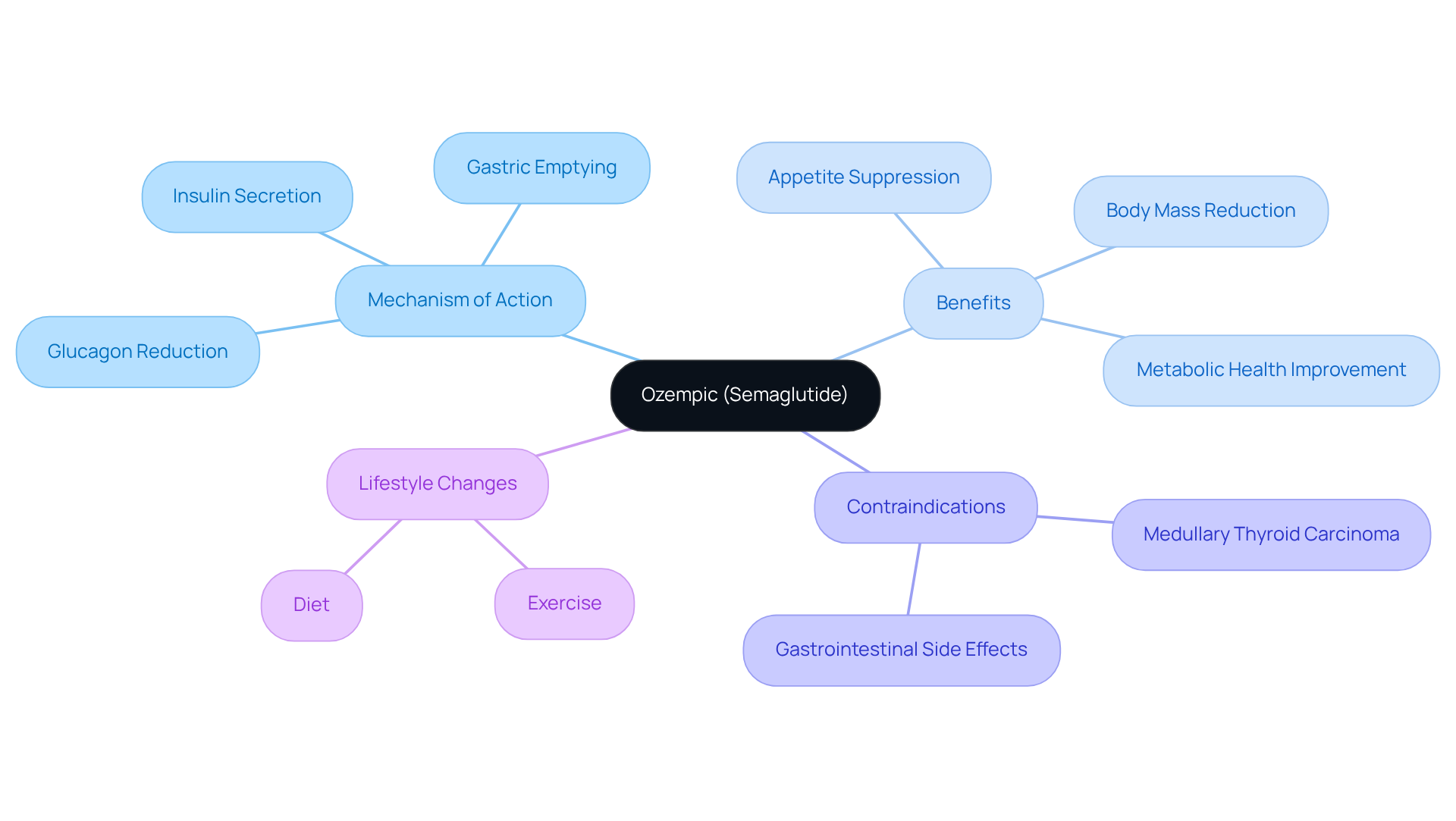
Ozempic, or semaglutide, is a medication that mimics the action of a hormone called glucagon-like peptide-1, which your body naturally produces. This medication works by enhancing insulin secretion, reducing glucagon release, and slowing down gastric emptying. Together, these actions help lower blood sugar levels and increase feelings of fullness. At CT Medical Solutions & Beyond, we truly understand the importance of GLP-1 in our personalized medical programs, designed to support sustainable weight loss.

Many users find remarkable benefits from this medication, often experiencing appetite suppression that leads to a significant decrease in caloric intake. Clinical studies show that individuals using Ozempic can achieve a reduction of about 15-20% of their body mass over time. Additionally, it has been shown to improve metabolic health, making it a viable option for those struggling with obesity or weight management.

However, it’s essential to be aware that Ozempic is not suitable for everyone. It’s contraindicated for patients with a personal or family history of medullary thyroid carcinoma, and some users may experience gastrointestinal side effects like nausea and vomiting. As part of our comprehensive 16-week program, Dr. Jeneby emphasizes, “It’s crucial to use this medication alongside lifestyle changes, including diet and exercise.”

To find out if you qualify, patients will need to go through an evaluation process that includes a thorough review of their medical history and a discussion about their weight loss goals. Understanding how this medication works and its effectiveness can highlight its role as a tool in your journey toward weight loss and a healthier lifestyle. You’re not alone in this journey; we’re here to support you every step of the way.

This mindmap starts with Ozempic at the center and branches out into different areas of understanding, showing how its mechanism leads to benefits while considering limitations and necessary lifestyle adjustments.

Follow Steps to Obtain an Ozempic Prescription

If you’re considering an Ozempic prescription, here’s a compassionate guide to help you through the process:

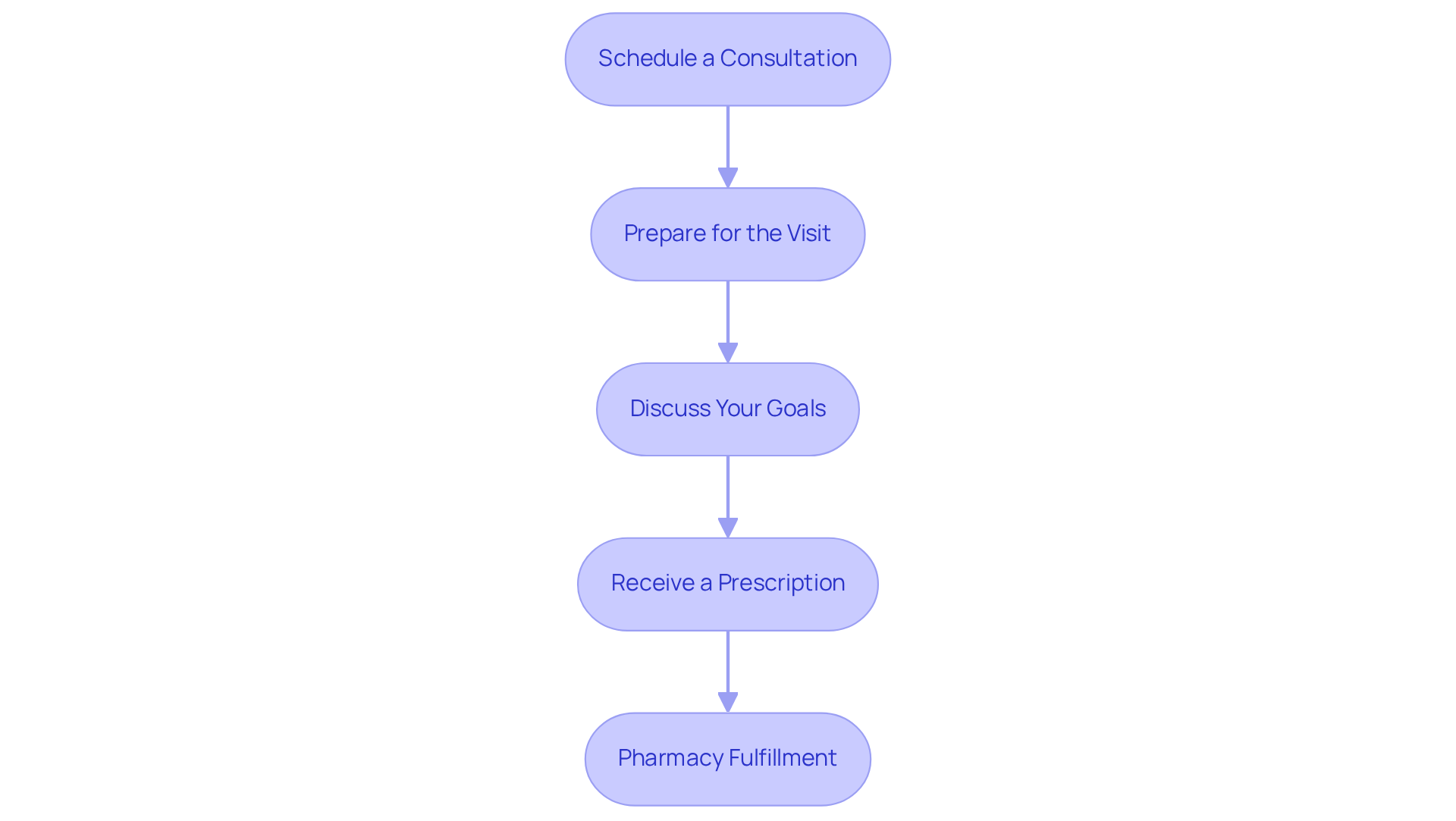
  1. Initial Consultation: Start by booking an appointment with a healthcare provider, whether in-person or via telehealth. It’s important to choose someone who understands body composition and weight management, as their expertise will be vital in your treatment journey.
  2. Prepare for the Visit: Gather your medical history, including any previous weight loss attempts, current medications, and goals for treatment. This preparation can lead to a more fruitful discussion, ensuring your concerns are addressed.
  3. Discuss Your Goals: During your consultation, feel free to share your objectives and any worries you might have. Your provider will assess your eligibility for weight loss based on your health profile, including your medical history and any weight-related health issues. Remember, you’re not alone in this journey.
  4. Receive a Prescription: If it’s appropriate for you, your provider will write a prescription explaining the treatment plan. They’ll also guide you on dosage and administration, making sure you understand how to use the treatment effectively.
  5. Pharmacy Fulfillment: Once you have your prescription, take it to a pharmacy or consider using an online pharmacy service. Check if your insurance covers the medication, or explore patient assistance programs to help with costs. Many patients find that discussing coverage options with their healthcare provider can lead to valuable insights on managing expenses.

We understand that navigating this process can feel overwhelming, but with the right support and guidance, you can take meaningful steps toward your weight loss goals.

Each box represents a step in the process of getting an Ozempic prescription. Follow the arrows to see how each step leads to the next, making your journey clearer.

Determine Eligibility for Ozempic Prescription

To determine your eligibility for an Ozempic prescription, let’s explore some important criteria together:

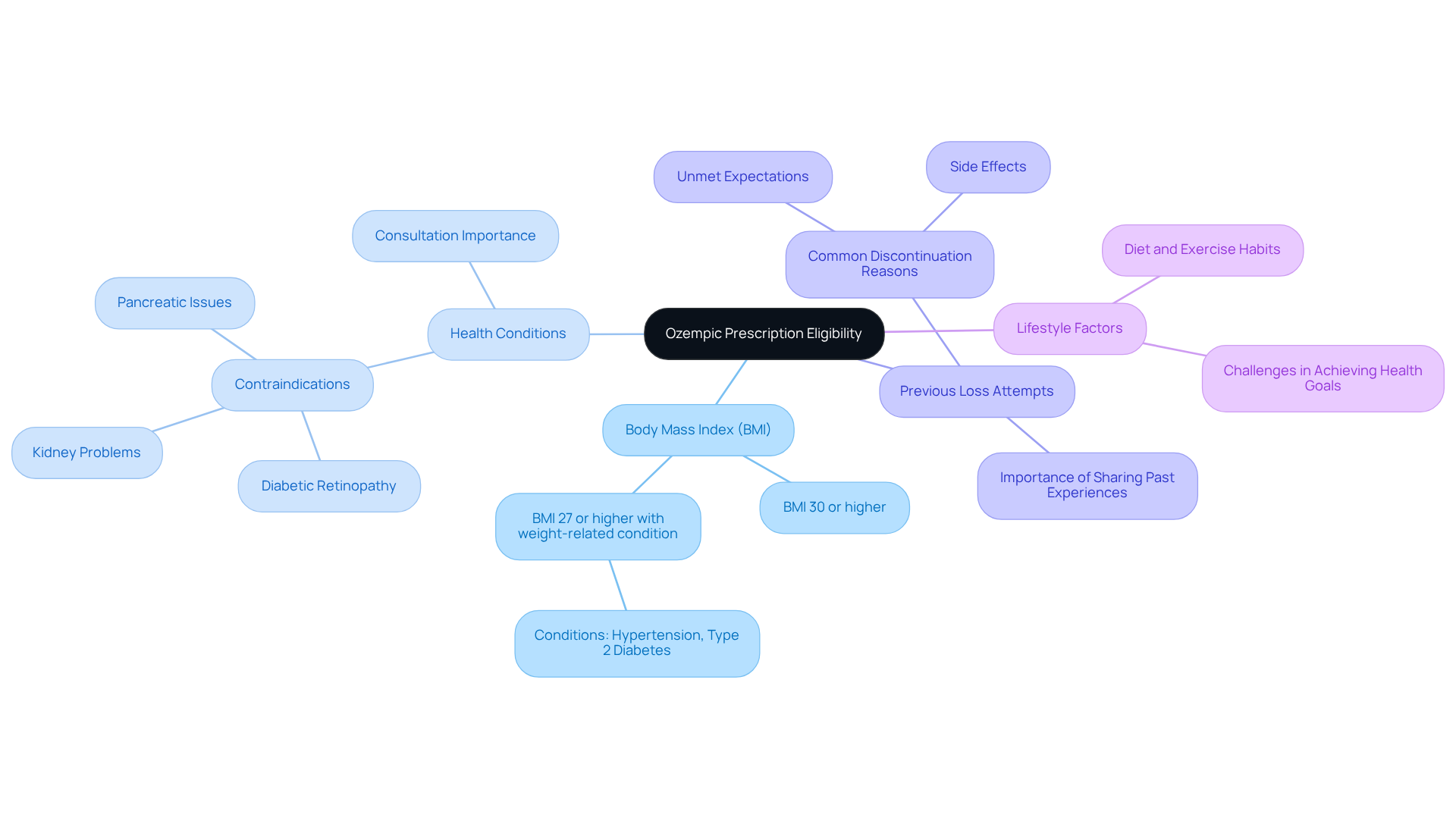
  • Body Mass Index: Typically, a BMI of 30 or higher is needed, or a BMI of 27 or higher if you have at least one weight-related health condition, like hypertension or type 2 diabetes. It’s worth noting that medications such as Ozempic. This medication is effective and is known for helping reduce body mass by enhancing insulin secretion and curbing appetite.
  • Health Conditions: It’s essential to have an open conversation with your healthcare provider about any existing health issues, as some conditions may affect your eligibility. For example, if you have diabetic retinopathy or certain kidney problems, Ozempic might not be the best option for you. Communication is crucial for creating a plan that truly fits your needs.
  • Previous Weight Loss Attempts: Sharing your past experiences with weight loss can be incredibly helpful during your consultation. Research indicates that many individuals who try GLP-1 treatments stop within a year, often due to unmet expectations or side effects. This highlights the importance of a comprehensive approach to managing body mass, which includes ongoing support.
  • Lifestyle Factors: Be prepared to discuss your diet, exercise habits, and any challenges you face in achieving a healthier body. These elements play a vital role in shaping your personalized treatment plan. Importantly, this medication has been shown to help individuals lose an average of 12-15% of their body mass, making it a significant option for those struggling with obesity. At CT Medical Nutrition & Beyond, we emphasize the importance of tailored diet plans and organized support to ensure lasting results.

Understanding these criteria can help simplify the process of learning and ensure you receive the most suitable care tailored to your unique needs. Remember, you’re not alone in this journey, and we’re here to support you every step of the way.

Start at the center to see the main eligibility criteria, and follow the branches to explore each area in detail. This will help you understand what factors to discuss with your healthcare provider.

Explore Alternatives to Ozempic for Weight Loss

If Ozempic isn’t the right fit for you, don’t worry—there are several alternatives to consider for your weight loss journey:

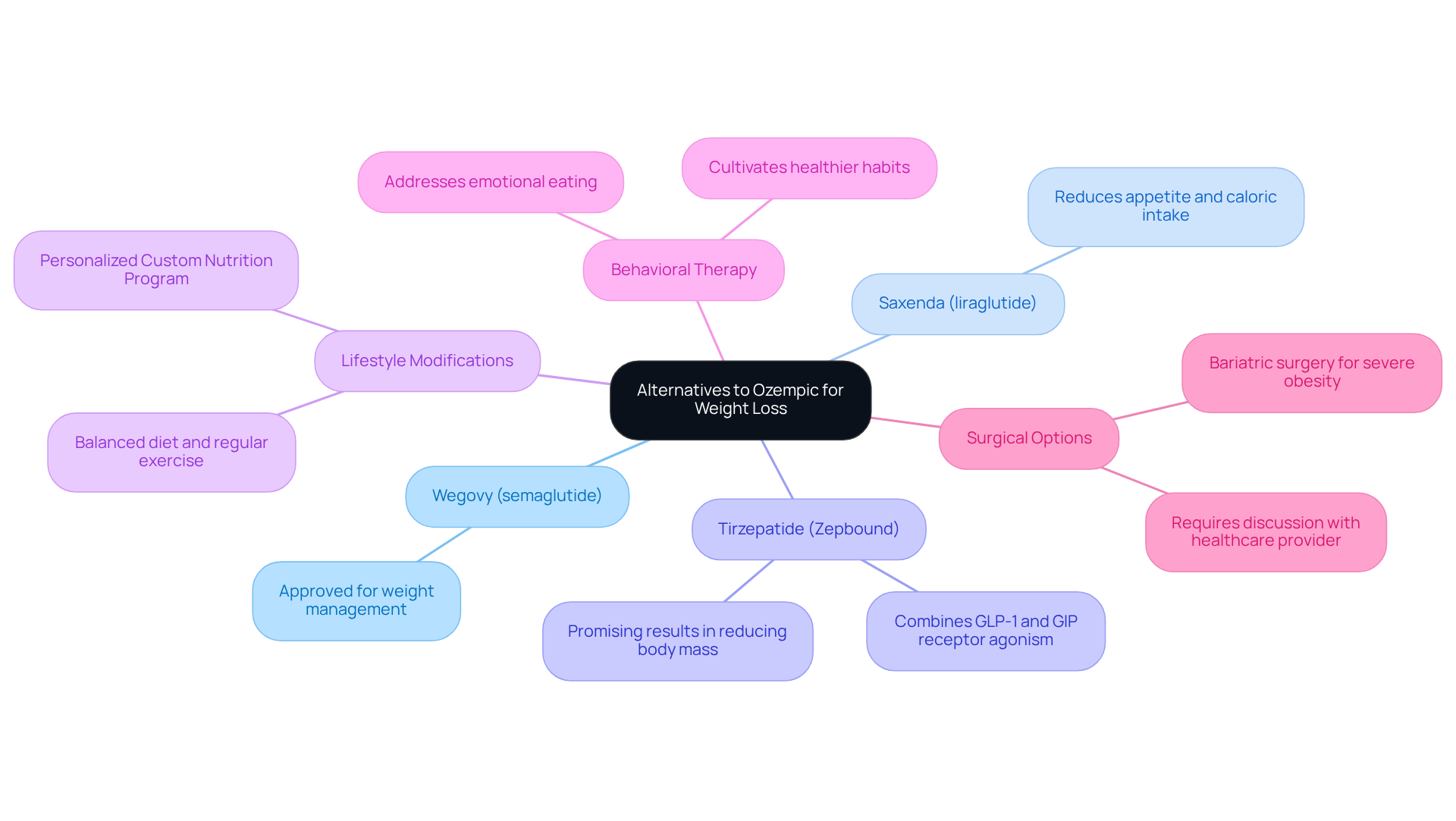
  • Wegovy: Much like Ozempic, Wegovy is specifically approved for weight management and could be a great option for you.
  • Saxenda (liraglutide): This medication helps with weight loss by reducing appetite and caloric intake, making it easier to reach your goals.
  • Tirzepatide: A newer medication that combines GLP-1 and GIP receptor agonism, showing promising results in reducing body mass.
  • Lifestyle Changes: Embracing a balanced diet and regular exercise can significantly impact your body composition. At CT Medical Weight Loss & Beyond, our program is tailored to your unique body, goals, and lifestyle. We’re here to provide the support you need to make real, lasting changes. Consider collaborating with our certified nutritionists to create a personalized plan that keeps you motivated and on track.
  • Behavioral Therapy: Engaging in behavioral therapy can be a powerful tool to address emotional eating and cultivate healthier habits.
  • Surgical Options: For those facing severe obesity, bariatric surgery might be a viable option after discussing it with a healthcare provider.

By exploring these alternatives and leveraging the support of CT Medical Weight Loss & Beyond, you can learn how to get ozempic for weight loss while taking meaningful steps toward a healthier lifestyle and achieving your weight loss goals. Remember, you’re not alone in this journey, and we’re here to help.

The central node shows the main topic, and each branch represents a different alternative. The descriptions under each category give a quick insight into what that option entails, helping you see all your choices at a glance.

Conclusion

Ozempic offers a hopeful path for those looking to shed pounds, tapping into a unique mechanism that mimics a natural hormone to boost insulin secretion and curb appetite. While it may not be the right fit for everyone, this medication can play a significant role in achieving lasting weight management when paired with lifestyle changes. It’s essential to understand both the benefits and limitations of Ozempic if you’re considering this treatment.

Getting an Ozempic prescription involves a few important steps:

  1. Scheduling a consultation
  2. Preparing your medical history
  3. Discussing your weight loss goals
  4. Receiving a prescription
  5. Filling it at a pharmacy

It’s also crucial to evaluate your eligibility based on factors like Body Mass Index (BMI) and any existing health conditions. This ensures that the treatment aligns with your unique health profile. If Ozempic isn’t an option for you, exploring alternatives like Wegovy, Saxenda, or even lifestyle modifications can open up other viable paths.

Ultimately, starting your weight loss journey with the guidance of healthcare professionals can empower you to make informed decisions and reach your health goals. Whether you choose Ozempic or other methods, committing to a healthier lifestyle is key. Remember, taking that first step isn’t just about losing weight; it’s about embracing a holistic approach to your well-being. You’re not alone in this journey, and with the right support, you can achieve the transformation you desire.

Frequently Asked Questions

What is Ozempic and how does it work?

Ozempic, or semaglutide, is a medication that mimics the action of the hormone glucagon-like peptide-1. It enhances insulin secretion, reduces glucagon release, and slows gastric emptying, which helps lower blood sugar levels and increases feelings of fullness.

What are the benefits of using Ozempic?

Users of Ozempic often experience appetite suppression, leading to a significant decrease in caloric intake. Clinical studies indicate that individuals can achieve a body mass reduction of about 15-20% over time, along with improvements in various metabolic health indicators.

Who should not use Ozempic?

Ozempic is contraindicated for patients with a personal or family history of medullary thyroid carcinoma. Additionally, some users may experience gastrointestinal side effects such as nausea and vomiting.

How is Ozempic used in weight loss programs?

Ozempic is used as part of a comprehensive weight loss program, alongside lifestyle changes including diet and exercise, to support sustainable body mass management.

How can patients obtain Ozempic for weight loss?

Patients interested in obtaining Ozempic must go through an evaluation process that includes a thorough review of their medical history and a discussion about their weight loss goals.

What role does Ozempic play in weight management?

Ozempic serves as a valuable tool in weight management by aiding in appetite suppression and promoting significant weight loss, contributing to a healthier lifestyle.

List of Sources

  1. Understand Ozempic: Mechanism and Benefits
    • atmantan.com (https://atmantan.com/case_studies/one-more-insulin-resistant-person-misdiagnosed-as-suffering-from-type-2-diabetes2)
    • Semaglutide – StatPearls – NCBI Bookshelf (https://ncbi.nlm.nih.gov/books/NBK603723)
    • spablack.com (https://spablack.com/how-does-ozempic-work-for-weight-loss)
    • Is Ozempic a weight-loss miracle drug or too good to be true? (https://news.bryant.edu/ozempic-weight-loss-miracle-drug-or-too-good-be-true)
  2. Follow Steps to Obtain an Ozempic Prescription
    • iqvia.com (https://iqvia.com/insights/the-iqvia-institute/available-iqvia-data)
    • ctfacialplasticsurgery.com (https://ctfacialplasticsurgery.com/blog/how-to-get-prescribed-ozempic-for-weight-loss)
    • ema.europa.eu (https://ema.europa.eu/en/medicines/human/EPAR/ozempic)
    • everlywell.com (https://everlywell.com/blog/weight-management/how-to-get-semaglutide?srsltid=AfmBOorSB-ZG-EyWmwxbxfZFhHIg0TGoEsPEOYSK80MEnTe1g7Q-inAK)
    • Prescription Medications to Treat Overweight & Obesity – NIDDK (https://niddk.nih.gov/health-information/weight-management/prescription-medications-treat-overweight-obesity)
  3. Determine Eligibility for Ozempic Prescription
    • Ozempic statistics 2026 (https://singlecare.com/blog/news/ozempic-statistics)
    • cevr.tuftsmedicalcenter.org (https://cevr.tuftsmedicalcenter.org/news/how-us-commercial-health-plans-are-covering-semaglutide-wegovy-for-obesity-management-2)
    • news-medical.net (https://news-medical.net/news/20241120/More-than-half-of-all-US-adults-are-eligible-for-semaglutide-therapy.aspx)
    • Products – Data Briefs – Number 537 – July 2025 (https://cdc.gov/nchs/products/databriefs/db537.htm)
    • health.com (https://health.com/ozempic-semaglutide-american-eligibility-8747341)

4 Steps to Get Prescribed Ozempic for Weight Loss Success

Introduction

Navigating the path to weight loss can often feel daunting. We understand that considering the role of medication like Ozempic adds another layer of complexity. This guide aims to break down the essential steps to obtaining a prescription, emphasizing the importance of personalized care from healthcare providers.

However, what challenges might you face in this journey? How can you ensure you’re fully prepared for the process? Understanding the intricacies of medical evaluations, treatment recommendations, and prescription logistics can make all the difference in achieving your weight loss success. You’re not alone in this journey, and with the right support, you can navigate it with confidence.

Schedule an Appointment with a Healthcare Provider

Starting your journey on weight loss can feel overwhelming, but taking that first step is easier than you might think. The initial move is to schedule an appointment with a healthcare provider, and you have two great options to consider:

  • In-Person Visits: You can reach out to your primary care physician or a specialist to set up a consultation. This traditional approach allows for a thorough assessment of your health and concerns, ensuring that your treatment plan is tailored to your unique needs.
  • Telehealth Services: If convenience is key for you, many practitioners now offer virtual consultations. Platforms like Ro and PlushCare make it simple to book consultations online, so you can receive professional guidance from the comfort of your home.

During your appointment, be prepared to share your weight loss goals, medical history, and any current medications. This information is crucial for your provider to determine eligibility for Ozempic, a GLP-1 receptor agonist known for its effectiveness in managing body weight.

It’s worth noting that a growing number of patients are turning to Ozempic for weight management, reflecting a shift towards more accessible healthcare solutions. We understand that navigating this process can be daunting, but support is vital. They can provide resources and help you track your progress effectively. Remember, you’re not alone in this journey; support is available every step of the way.

This flowchart guides you through the process of scheduling your appointment. Start at the top, choose between in-person or telehealth options, and follow the steps to prepare for your consultation.

Undergo a Medical Evaluation and Discuss Weight Concerns

After scheduling your appointment at CT Medical Weight Loss & Beyond, the next step is to undergo a thorough medical evaluation. This process typically includes several key components that are designed to support you on your journey:

  • Initial Paperwork: Before your consultation, you’ll complete necessary paperwork that provides your healthcare provider with essential background information. This step is crucial as it sets the stage for your personalized care.
  • Physical Examination: Your healthcare provider will assess your overall health, focusing on your health history and any weight-related health conditions. The significance of BMI cannot be overstated; it serves as a critical factor in determining eligibility for medications like Ozempic. Generally, a BMI of 30 or higher, or 27 with associated health issues, is required for prescription consideration. We understand that discussing these numbers can be daunting, but it’s an important part of the process.
  • Blood Tests: These tests may be ordered to evaluate your blood sugar levels, cholesterol, and other relevant health markers. This comprehensive view of your metabolic health is essential for creating a treatment plan that aligns with your specific needs.
  • Weighing Process: You’ll be weighed on the Evolt Biometric Scale, which offers detailed insights into your body composition and metabolic health. This information will further guide your care plan, helping you understand your body better.
  • Discussion of Concerns Regarding Body Mass: It’s essential to be candid about your weight concerns during this discussion. Open communication is vital for creating a plan that truly addresses your needs. At CT Medical Weight Loss & Beyond, our nurse practitioners emphasize the importance of this conversation, stating, “Effective communication regarding concerns about body mass is essential for customizing treatment strategies that suit each individual.”

In 2025, research will highlight the need for effective management strategies for body mass. By understanding the evaluation process and engaging in an open dialogue with your healthcare professional, you can learn how to achieve your goals and make meaningful progress toward your weight loss objectives. Moreover, Ozempic works by enhancing fullness through slowed gastric emptying, allowing for smaller portion sizes and increased satisfaction after meals. You’re not alone in this journey, and with the right support, you can achieve your goals.

This flowchart shows each step in your medical evaluation process. Start with the paperwork, then move through the physical exam and tests, leading to the important discussion about your weight loss goals.

Receive Tailored Treatment Recommendations

After your evaluation, your healthcare provider will carefully review the results and offer personalized treatment recommendations tailored just for you. These may include:

  • Prescription: If it’s deemed appropriate, your provider will prescribe Ozempic, explaining how it works and its benefits. Research indicates that Ozempic can help patients achieve an average weight loss of 10.9% over six months, especially when combined with lifestyle changes. Patients at CT Medical Weight Loss & Beyond, like Ericka, who experienced significant weight loss and body fat reduction, highlight the potential of this medication in a supportive environment.
  • Lifestyle Modifications: Your provider will recommend dietary changes, exercise routines, and behavioral strategies designed to support your weight loss efforts. For example, making small, manageable adjustments—such as taking a daily 10-minute walk or increasing protein intake at meals—can greatly enhance your results. Many successful patients report improved mobility and a renewed enthusiasm for activities they love. As Ericka shared, “The support I received made all the difference in my journey. I felt supported every step of the way.”
  • Follow-up Care: A follow-up schedule will be established to monitor your progress and adjust your care plan as needed. Regular check-ins are vital, ensuring that both the medication and lifestyle changes are effectively contributing to your health goals. The dedicated team at CT Medical Weight Loss & Beyond is here to support you, providing ongoing encouragement and necessary adjustments along the way.

Understanding how to maintain your progress is essential for your commitment to the treatment plan. True wellness is achieved through a blend of medical care and intentional lifestyle changes, as shown by the inspiring success stories of clients who have transformed their lives with CT Medical’s personalized approach. Remember, you’re not alone in this journey; we’re here to support you every step of the way.

Follow the arrows to see how each step connects. It starts with your evaluation, leading to specific recommendations for medication, lifestyle changes, and ongoing care to support your weight loss journey.

Fill Your Ozempic Prescription and Understand Logistics

Once you have your prescription for Ozempic, the next step is to fill it and navigate the logistics involved:

  • Choosing a Pharmacy: You can fill your prescription at a local pharmacy or opt for an online pharmacy that offers Ozempic. It’s important to choose a reputable pharmacy, as this ensures you receive authentic medication. We understand that convenience matters, and around 70% of pharmacies now offer options for this medication, making it easier for you.
  • Administration: Ozempic is typically administered as a weekly injection. Your healthcare professional will guide you on how to use the injection pen correctly, ensuring you feel confident in the process. Pharmacists emphasize the importance of following these instructions closely to maximize the medication’s effectiveness. Remember, starting with the correct dosage—usually 0.25 mg and increasing to 1 mg as directed by your healthcare specialist—is essential for your treatment.
  • Insurance Coverage: It’s wise to check with your insurance provider about coverage for this medication, as costs can vary. If you find yourself uninsured or underinsured, don’t hesitate to ask about assistance or discounts available through the manufacturer. These can significantly reduce your out-of-pocket expenses. For instance, eligible patients may pay as little as $25 for a monthly supply through the Savings Offer.

Finally, ensure you have a plan for support and address any concerns as you begin your treatment. You’re not alone in this journey; support is available every step of the way.

Each box represents a step in the process of managing your Ozempic prescription. Follow the arrows to see how each step leads to the next. Make sure to consider all options and resources available to you.

Conclusion

Taking the step to get prescribed Ozempic for weight loss is a meaningful choice that can truly impact your health and well-being. This guide has laid out a clear four-step process, highlighting the importance of:

  1. Consulting with a healthcare provider
  2. Undergoing a thorough medical evaluation
  3. Receiving tailored treatment recommendations
  4. Understanding how to fill your prescription

Each of these stages is designed to empower you on your weight loss journey, ensuring you have the support and resources needed to succeed.

We understand that open communication with healthcare professionals is crucial. The role of medical evaluations in determining eligibility for Ozempic cannot be overstated, and integrating lifestyle changes alongside medication is key for optimal results. Moreover, the increasing accessibility of telehealth services makes it easier than ever to seek guidance from qualified practitioners. By following these steps, you can navigate the prescription process effectively and set yourself up for success.

Ultimately, the journey to weight loss is not one to be undertaken alone. With the right support, personalized care, and a commitment to making informed choices, achieving your weight loss goals is within reach. Embracing the process of getting prescribed Ozempic can lead to transformative results, so why not take that first step today? You’re not alone in this journey, and with the right guidance, you can achieve the results you desire.

Frequently Asked Questions

What is the first step to getting prescribed Ozempic for weight loss?

The first step is to schedule an appointment with a licensed healthcare provider.

What are the options for scheduling an appointment with a healthcare provider?

You have two options: in-person visits with your primary care physician or a weight management specialist, or telehealth services for virtual appointments.

How can I schedule an in-person visit?

You can reach out directly to your primary care physician or a weight management specialist to set up a consultation.

What are telehealth services, and how can they help?

Telehealth services allow you to book virtual appointments with healthcare providers online, offering convenience and professional guidance from home. Platforms like Ro and PlushCare facilitate these consultations.

What should I prepare for my appointment?

Be prepared to share your weight loss goals, medical history, and any current medications, as this information is crucial for your healthcare professional to determine how to prescribe Ozempic.

Why is consulting with a healthcare specialist important?

Consulting with a healthcare specialist is vital as they can provide personalized advice, help you track your progress, and tailor a treatment plan to your unique needs.

Is telehealth becoming more common for weight management?

Yes, a growing number of patients are turning to telehealth for weight management, reflecting a shift towards more accessible healthcare solutions.

List of Sources

  1. Schedule an Appointment with a Healthcare Provider
    • forhers.com (https://forhers.com/blog/how-to-get-prescribed-ozempic-weight-loss)
    • weightwatchers.com (https://weightwatchers.com/us/weight-loss-medication/ozempic?srsltid=AfmBOopC2enN_Z2iFmrRCjkEYd5rhuXMhc8-q4RCVDqCzifHcpnGgUYt)
    • plushcare.com (https://plushcare.com/ozempic)
    • medicalnewstoday.com (https://medicalnewstoday.com/articles/how-to-buy-ozempic)
    • getheally.com (https://getheally.com/patients/ozempic)
  2. Undergo a Medical Evaluation and Discuss Weight Concerns
    • Obesity rate is declining as more Americans use weight loss drugs, survey finds (https://cbsnews.com/news/obesity-rate-declining-weight-loss-drugs)
    • Is Ozempic a weight-loss miracle drug or too good to be true? (https://news.bryant.edu/ozempic-weight-loss-miracle-drug-or-too-good-be-true)
    • nypost.com (https://nypost.com/2025/10/07/health/new-unusual-side-effect-of-glp-1-drugs-like-ozempic-on-the-rise)
    • The Rise of Ozempic for Weight Loss Sparks Ethical Concerns (https://columbiapsychiatry.org/news/rise-ozempic-sparks-ethical-concerns)
  3. Receive Tailored Treatment Recommendations
    • nbcnews.com (https://nbcnews.com/health/health-news/ozempic-what-its-like-to-take-for-years-rcna93921)
    • nature.com (https://nature.com/articles/d41586-025-01987-z)
    • franciscanhealth.org (https://franciscanhealth.org/community/blog/lifestyle-and-glp-1-drugs)
    • Experts Recommend Healthy Lifestyle Changes Alongside GLP-1 Drug Use (https://usnews.com/news/health-news/articles/2025-07-16/experts-recommend-healthy-lifestyle-changes-alongside-glp-1-drug-use)
    • Weight Loss Outcomes Associated With Semaglutide Treatment for Patients With Overweight or Obesity – PMC (https://pmc.ncbi.nlm.nih.gov/articles/PMC9486455)
  4. Fill Your Ozempic Prescription and Understand Logistics
    • carecredit.com (https://carecredit.com/well-u/health-wellness/weight-loss-medication-cost)
    • bcbsmt.com (https://bcbsmt.com/provider/education-and-reference/education/news-and-updates/2025/5-20-2025-new-home-delivery-pharmacy-service-to-fill)
    • ro.co (https://ro.co/weight-loss/ozempic-cost-without-insurance)
    • w.faes.org (https://w.faes.org/news/faes-insurance-may-1-2025)
    • healthline.com (https://healthline.com/nutrition/buy-ozempic-online)

Preview My Weight Loss